Hamsa Hand Graphics & Illustrations
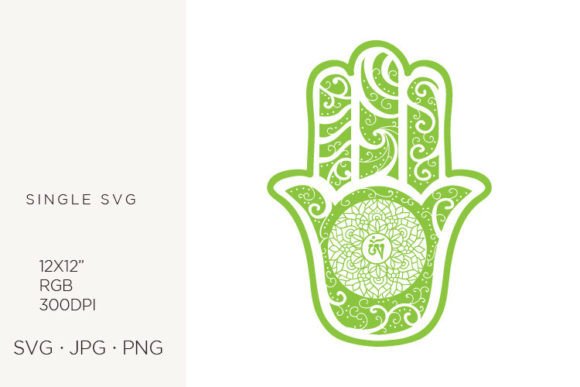
The Hamsa Hand, also known as the Hand of God or Fatima Hand, is a powerful graphic design asset that carries deep cultural and symbolic meaning. As a brand designer and content marketer, I’ve seen how this illustration can elevate a campaign’s visual appeal while maintaining a sense of authenticity and connection. Its clean lines, intricate patterns, and spiritual undertones make it a versatile choice for a wide range of creative projects.
First Impressions: A Symbol of Protection and Positivity
When first encountering the Hamsa Hand, the design immediately evokes a sense of calm and protection. The symmetrical shape and geometric details suggest balance and harmony, which can be incredibly effective in branding. This illustration isn’t just decorative—it conveys a message of safety, luck, and positive energy. For brands aiming to build trust and emotional resonance with their audience, the Hamsa Hand can serve as a strong visual anchor.
Its aesthetic fits well with both casual and premium branding. It works in handmade product packaging, lifestyle content, and even high-end editorial designs. Whether used in a minimalist layout or layered with other elements, the Hamsa Hand adds a touch of sophistication without overwhelming the composition.
Real-World Applications: From Social Media to Product Packaging
In real marketing scenarios, the Hamsa Hand shines across multiple platforms. For a small business launching a new product line, this SVG artwork can be adapted into social media graphics, Instagram posts, and Pinterest pins. Its scalable nature ensures it looks sharp on both desktop and mobile screens, making it ideal for digital ads and email campaigns.
For packaging design, the Hamsa Hand can act as a subtle accent on product labels or as a central motif on inserts and stickers. When paired with a cohesive color palette, it helps reinforce brand identity and create a memorable unboxing experience. It also works well in printable design elements like stationery, invitations, and announcements, offering a unique touch to printed materials.
Supporting Marketing Goals: Visual Consistency and Audience Connection
One of the key strengths of the Hamsa Hand is its ability to support visual consistency across a brand’s entire campaign. Whether it’s used in a content kit, Canva template, or editorial layout, it provides a recognizable element that ties different pieces together. This consistency builds stronger recognition and helps audiences form a deeper emotional connection with the brand.
It also enhances the professional appearance of marketing visuals. In a crowded digital space, having a clean, well-designed asset like the Hamsa Hand can help a campaign stand out. It improves audience trust by signaling that the brand pays attention to detail and values quality in its visual storytelling.
Best Use Cases: Hero Graphics and Branding Elements
The Hamsa Hand excels in hero graphics, campaign headers, and promotional banners. It’s perfect for product launch visuals, where it can serve as a focal point that draws attention without competing with text or other design elements. In content bundles or digital product visuals, it adds an extra layer of creativity and depth.
For event promotions, the Hamsa Hand can be used in posters, flyers, and merchandise. Its versatility makes it a go-to choice for designers looking to add a meaningful and visually appealing element to their work. It also pairs well with various font styles, from serif to script, allowing for flexible typographic integration.
Caution Areas: When to Avoid the Hamsa Hand
While the Hamsa Hand is a strong design asset, it’s not suitable for every situation. In formal corporate branding, where minimalism and clarity are key, it may feel too ornate or distracting. Similarly, in dense information layouts or small mobile graphics, it could reduce readability and complicate the visual hierarchy.
Brands with a very minimal or modern aesthetic might find the Hamsa Hand too detailed. In text-heavy ads or low-contrast backgrounds, it may not stand out as effectively. It’s important to test the design in different contexts before finalizing its use in a campaign.
Practical Designer Notes: Testing and Integration
As a brand designer, I always recommend testing the Hamsa Hand with your brand’s color palette. It should complement, not clash, with your existing visuals. Check how it looks in black and white, as well as in full color, to ensure it maintains its impact across different mediums.
Place it inside real campaign mockups to see how it interacts with other elements. Preview it on mobile screens to confirm it remains legible and visually appealing. Compare it against competitor visuals to ensure it brings something unique to your brand’s identity.
Finally, verify the commercial license before using it in paid campaigns, client work, or business branding. Ensure it aligns with your creative marketplace goals and meets the standards of your target audience.
Conclusion: A Versatile Asset for Creative Brands
The Hamsa Hand, Hand of God, Fatima Hand is more than just an illustration—it’s a powerful tool for visual storytelling. Whether you’re a small business owner, content creator, or digital seller, this SVG artwork offers endless possibilities for branding, marketing, and creative expression. With careful integration and thoughtful application, it can become a cornerstone of your design strategy, helping you connect with your audience in a meaningful and professional way.